How to Read a Window Energy Label: U-Factor, SHGC, and NFRC Ratings Explained for Albany Homes
If you have ever stood in front of a brand-new window display and stared at the energy label like it was written in secret contractor code, you are absolutely not alone. U-Factor? SHGC? NFRC? It can feel like a pop quiz you did not study for. The good news is that once you know what those numbers mean, choosing energy-efficient replacement windows in Albany, New York becomes a whole lot easier—and yes, it can help with saving money on energy bills when those upstate winters start acting dramatic.
Table of Contents
- What Is a Window Energy Label and Why Does It Matter for Energy Efficiency?
- What Is the NFRC Rating on Replacement Windows?
- What Does U-Factor Mean on a Window Energy Label?
- What Does SHGC Mean for Albany, New York Homes?
- What Other Window Energy Label Ratings Should You Know?
- What Window Ratings Help with Saving Money on Energy Bills in Albany?
- How Often Should You Replace Your Windows in Albany, New York?
- Why Are Triple Pane Windows Worth Considering in Albany?
- Why Do Made in the USA Windows Matter Locally?
- What Should You Look for When Buying New Windows Near You?
- What Makes Window Depot USA of Albany Better Than the Rest?
- Window Energy Label FAQ for Albany Homeowners
- Ready for Local Window Replacement in Albany, New York?
What Is a Window Energy Label and Why Does It Matter for Energy Efficiency?
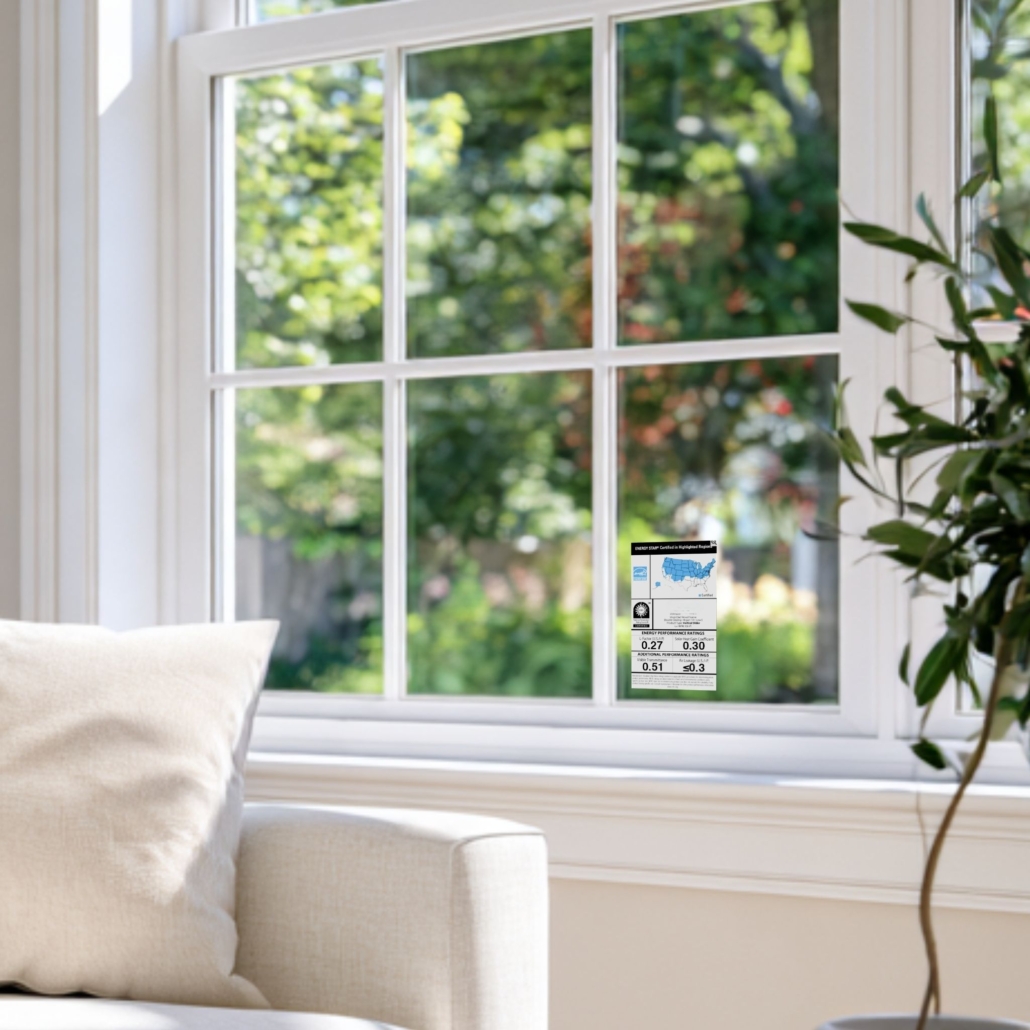
A window energy label is the sticker that tells you how a window performs before it ends up in your living room, kitchen, bedroom, or that one drafty room everyone avoids from December through March. Think of it like a nutrition label, but instead of calories and carbs, it shows you numbers related to heat loss, solar heat, air leakage, and visible light.
For homeowners comparing windows in Albany, the label matters because our weather does not exactly take a gentle approach. We get freezing temperatures, lake-effect influence, humid summers, windy fall days, and heating seasons that can feel like they last roughly 47 months. The right energy efficiency ratings can help your home stay more comfortable without making your furnace or air conditioner work overtime.
The most common label you will see is from the National Fenestration Rating Council, better known as the NFRC. That label gives you standardized performance ratings, so you can compare one product to another without relying on vague phrases like “super-duper efficient” or “contractor’s cousin swears by it.”
What Is the NFRC Rating on Replacement Windows?
The NFRC rating is an independent measurement system for windows, doors, and skylights. It helps homeowners compare products using the same testing standards. Rather than guessing whether one replacement window is better than another, you can look at the NFRC label and compare neat little numbers that actually mean something.
On most NFRC labels, you will see U-Factor, Solar Heat Gain Coefficient, Visible Transmittance, Air Leakage, and sometimes Condensation Resistance. Each one tells part of the energy story. No single number tells you everything, so the trick is understanding how they work together for your Albany home.
What Does U-Factor Mean on a Window Energy Label?
U-Factor measures how well a window keeps heat from escaping. More specifically, it measures the rate of heat transfer through the entire window unit. The lower the U-Factor, the better the window is at insulating your home. In cold climates like Albany, New York, U-Factor is one of the biggest numbers to pay attention to.
If your old windows feel icy to the touch in January, or you can sit near them and feel that classic “why is there a breeze indoors?” sensation, poor insulation may be part of the problem. A lower U-Factor can help reduce heat loss, improve comfort near the glass, and support saving money on energy bills over time.
For homes in the Capital Region, a strong U-Factor can be especially useful because heating costs are often the big seasonal pain point. It is not just about comfort, either. According to ENERGY STAR, ENERGY STAR certified residential windows can lower household energy bills by an average of 12%. That is not pocket lint. That is real money that could go toward groceries, a weekend in the Adirondacks, or finally fixing that suspicious garage shelf.
When comparing window labels, remember this simple rule: for U-Factor, lower is better. A window with a U-Factor of 0.25 generally insulates better than one rated 0.32. The exact rating you should choose depends on your home, budget, frame material, glass package, and whether you are considering double pane or triple pane options.
What Does SHGC Mean for Albany, New York Homes?
SHGC stands for Solar Heat Gain Coefficient. It measures how much heat from the sun passes through the window into your home. Unlike U-Factor, where lower is usually better in our climate, SHGC takes a bit more thought. A lower SHGC blocks more solar heat, while a higher SHGC allows more warmth from sunlight to come inside.

In Albany, this rating can depend on your home’s orientation. South-facing windows may benefit from some winter solar gain, especially on bright cold days. But if your living room turns into a greenhouse every July afternoon, you may want glass that reduces solar heat gain so your air conditioner does not send you a strongly worded letter.
For many local homeowners, the sweet spot is a window package that balances winter insulation with summer comfort. That means you do not want to shop by one number alone. U-Factor and SHGC should work together based on your home’s exposure, shade trees, neighborhood, and the rooms you use most.
Quick homeowner translation: U-Factor tells you how well the window keeps heat from escaping. SHGC tells you how much heat from sunshine gets in. If U-Factor is the winter coat, SHGC is the pair of sunglasses.
What Other Window Energy Label Ratings Should You Know?
U-Factor and SHGC usually get the spotlight, but they are not the only ratings on the label. If you want to compare replacement windows like a seasoned pro—minus the clipboard and mysterious contractor pencil—keep an eye on these other NFRC numbers, too.
What Is Visible Transmittance?
Visible Transmittance, often shortened to VT, measures how much visible light passes through the window. A higher VT means more natural light enters your home. A lower VT means less light gets through, which may happen with certain coatings, tints, or glass packages.
This matters because energy efficiency should not make your home feel like a cave. Natural light is a big deal in Albany winters, when it gets dark early and everyone starts asking if 6:30 p.m. is too early for pajamas. The right window can help preserve daylight while still improving comfort and efficiency.
What Is Air Leakage on a Window Energy Label?
Air Leakage, or AL, measures how much air passes through joints in the window assembly. Lower is better. Drafty windows can make rooms uncomfortable and force your HVAC system to work harder, especially during windy days in Albany and surrounding communities.
Here is the important thing: even a great product needs proper installation. A strong Air Leakage rating is helpful, but poor installation can still lead to drafts around the frame. That is why local window replacement should include both quality products and experienced installers who understand Albany-area homes.
What Is Condensation Resistance?
Condensation Resistance measures how well a window resists moisture forming on the interior glass surface. Higher numbers generally mean better resistance. This rating is especially helpful for homeowners who notice foggy glass, wet sills, or condensation during cold weather.
Condensation can be influenced by indoor humidity, ventilation, and outdoor temperature, so the window is only part of the story. Still, better-insulated glass packages can help keep interior glass warmer, which may reduce condensation issues when combined with healthy indoor humidity levels.
What Window Ratings Help with Saving Money on Energy Bills in Albany?
If your main goal is saving money on energy bills, start with U-Factor. In a cold-weather region like Albany, New York, heat loss is a major concern. A lower U-Factor helps reduce the amount of heated indoor air escaping through the glass and frame system.
Next, look at Air Leakage. Drafts are not just annoying; they can cost money. If cold air is sneaking in and warm air is sneaking out, your heating system has to keep replacing that lost comfort. That is when the thermostat starts feeling less like a control panel and more like a suggestion box.
Then compare SHGC based on your specific home. If you have lots of south-facing glass and enjoy winter sunlight, a moderate SHGC may be useful. If overheating is a concern in sunny rooms, a lower SHGC may be a better fit. This is where working with a knowledgeable local window replacement team near you can make a big difference.
Simple Albany rule of thumb: prioritize strong insulation, controlled air leakage, and a glass package matched to your home’s sun exposure. The best energy efficiency choice is not always the most expensive one. It is the one that makes sense for your house, your comfort goals, and your long-term budget.
How Often Should You Replace Your Windows in Albany, New York?
Most windows last somewhere around 15 to 30 years, depending on the materials, installation quality, maintenance, and weather exposure. In Albany, that timeline can vary because homes deal with freeze-thaw cycles, snow, wind, humidity, and the occasional “surprise” April cold snap that nobody invited.
If your windows are older, difficult to open, visibly damaged, or consistently drafty, it may be time to compare replacement options. Age alone is not always the final answer. Some older windows perform reasonably well, while others start causing problems long before their birthday candles hit 20.
Signs it may be time for new windows include cracked glass, warped frames, rotting wood, fog between panes, high energy bills, rooms that never feel comfortable, or locks that no longer work correctly. If you are stuffing towels along the sill every winter, your windows are not being quirky. They are asking for retirement.
For many Albany homeowners, replacement windows are also about lifestyle. Maybe you want less street noise near Central Avenue, better comfort in a colonial in Delmar, improved curb appeal in Loudonville, or easier maintenance for a home in Colonie. The right window choice should support how you actually live in your home.
Why Are Triple Pane Windows Worth Considering in Albany?
Triple pane windows include three panes of glass instead of two, often with insulating gas fills and advanced low-emissivity coatings. That extra pane can improve thermal performance, reduce drafts near the glass, and help create a quieter, more comfortable indoor environment.
In Albany, where winter temperatures can drop fast and heating systems put in serious work, triple pane glass can be a smart upgrade for homeowners focused on energy efficiency. It is especially worth considering for bedrooms, living rooms, home offices, nurseries, and any space where comfort really matters.
Triple pane windows may also help reduce outside noise. If you live near a busy road, school, commercial area, or a neighbor who believes leaf blowers are a form of self-expression, the added glass layer can be a welcome improvement.
Are triple pane windows right for every single homeowner? Not always. Budget, home design, and project goals all matter. But for Albany homeowners who want a premium comfort upgrade, they deserve a serious look. A local expert can help compare double pane and triple pane options based on your home’s needs.
Why Do Made in the USA Windows Matter Locally?
Made in the USA windows matter because quality, accountability, and availability matter. When products are manufactured domestically, it may support better supply consistency, strong manufacturing standards, and service relationships that are easier to manage if questions come up later.
For Albany homeowners, buying American-made windows can also feel good on a local level. You are investing in your home, supporting domestic manufacturing, and choosing a product built for the kind of performance U.S. homeowners expect. That is especially important when your windows need to handle everything from icy mornings to humid July afternoons.
There is also a practical side. Window replacement is a long-term home improvement project, not a throwaway purchase. You want products that are built well, backed properly, and installed by a team that knows what works in homes across Albany, Colonie, Troy, Clifton Park, Bethlehem, Guilderland, and nearby communities.
What Should You Look for When Buying New Windows Near You?
When choosing where to buy new windows near you, do not shop on price alone. We know, we know—everyone loves a deal. But the cheapest window can become very expensive if it performs poorly, is installed badly, or leaves you dealing with drafts two winters from now.
Start by looking for a company that explains the energy label clearly. If someone cannot explain U-Factor, SHGC, and NFRC ratings in plain English, that is a red flag. You should never feel pressured into a product you do not understand. A trustworthy window company should help you compare options comfortably.
Next, ask about installation. Replacement windows are only as good as the installation behind them. Proper measuring, sealing, insulating, and finishing help protect the performance you paid for. This is especially important in older Albany homes, where openings may not be perfectly square because, well, houses settle and history happens.
Also look for product variety. Different homes need different solutions. A sun-filled modern home in Saratoga County may need a different glass package than a shaded older home in Albany. Your window company should be able to match products to your home instead of forcing every homeowner into the same one-size-fits-all package.
Local buying tip: ask for a clear estimate, product details, warranty information, installation expectations, and realistic timelines. If the answer to every question is “don’t worry about it,” you should probably worry about it.
What Makes Window Depot USA of Albany Better Than the Rest?
Window Depot USA of Albany helps local homeowners make sense of window replacement without the confusing jargon, pushy sales routine, or “trust me, bro” approach to energy performance. The goal is simple: help you choose products that fit your home, your climate, and your budget.
Because Window Depot USA of Albany serves Albany, New York and the surrounding region, the team understands what local homes deal with. That includes cold winters, damp springs, hot summers, older home construction, suburban remodels, and the day-to-day reality of wanting a house that feels comfortable without overworking your HVAC system.
When you work with a local window replacement team, you can get guidance on which ratings matter most for your specific home. Maybe your biggest issue is heat loss. Maybe it is afternoon sun. Maybe it is noise. Maybe it is a room where the cat refuses to sit because even the cat knows it is drafty. The right solution starts with listening.
Window Depot USA of Albany can help you compare options, understand energy labels, and choose replacement windows designed for long-term performance. It is not about throwing random numbers at you. It is about turning those numbers into a smarter, more comfortable home improvement decision.
Window Energy Label FAQ for Albany Homeowners
How do I read a window energy label?
Start with the NFRC label. Look at U-Factor for insulation, SHGC for solar heat gain, Visible Transmittance for natural light, Air Leakage for drafts, and Condensation Resistance if moisture is a concern. For Albany homes, U-Factor and Air Leakage are especially important.
What U-Factor is best for replacement windows in Albany, New York?
In general, a lower U-Factor is better for Albany because it means the window insulates more effectively. The best number depends on your home, budget, and glass package, but cold-climate homeowners should usually prioritize lower U-Factor ratings.
Does SHGC matter in Albany?
Yes. SHGC matters because it tells you how much solar heat enters your home through the glass. Albany homeowners may want different SHGC levels depending on window direction, shade, summer heat, and winter sunlight preferences.
Are triple pane windows worth it near me?
Triple pane windows can be worth it for Albany homeowners who want improved comfort, stronger insulation, and potential noise reduction. They are especially helpful in rooms that feel cold, loud, or uncomfortable during extreme weather.
Can replacing old windows really help with saving money on energy bills?
Yes, replacing inefficient windows can help reduce energy loss. ENERGY STAR reports that certified residential windows can lower household energy bills by an average of 12%, depending on the home and products selected.
Who should I call for local window replacement in Albany?
Call a company that understands Albany’s climate, explains energy ratings clearly, and offers strong installation support. Window Depot USA of Albany works with local homeowners to compare options and choose windows that make sense for their homes.
Ready for Local Window Replacement in Albany, New York?
Reading a window energy label does not have to feel like decoding a government document during a power outage. Once you understand U-Factor, SHGC, NFRC ratings, Air Leakage, and the other key numbers, you can compare replacement windows with confidence.
For Albany homeowners, the right choice comes down to comfort, energy efficiency, installation quality, and choosing windows built for our local climate. Whether you are replacing one problem window or planning a whole-home upgrade, a clear understanding of the label helps you make a smarter investment.
If you want help comparing ratings, glass packages, double pane options, triple pane upgrades, and products made for homes near you, the team at Window Depot USA of Albany is ready to help. Contact Window Depot USA of Albany today for your free quote.